Save 3x the GSTSave the TaxSave the Tax on Select Major Kitchen Appliances when you buy 2+
Some exclusions apply. See Promotion Details
Save 3x the GSTSave the TaxSave the Tax on Select Major Kitchen Appliances when you buy 2+
With minimum combined purchase of $1495 or more.
Must be of the same brand.
Excludes KitchenAid, Moffat, Amana, Inglis, Danby, Hamilton Beach, Kenmore, accessories, microwaves, Online Only items and commercial or builder products.
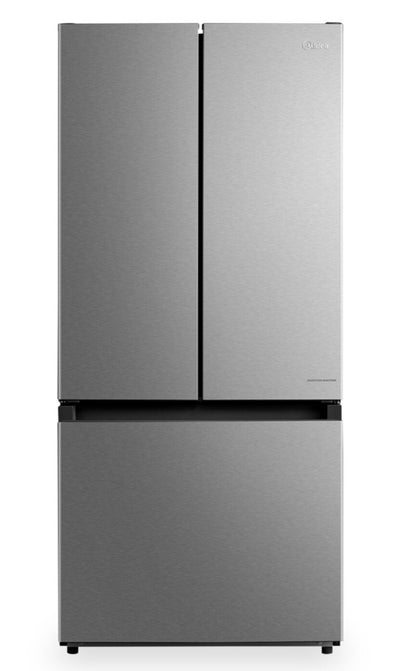
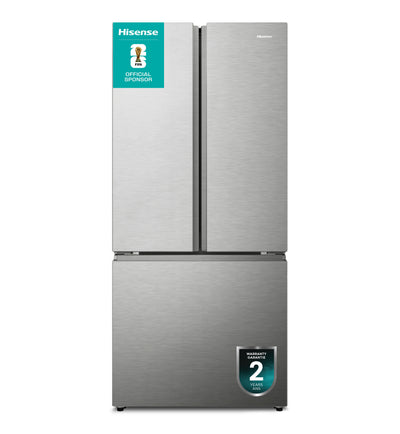
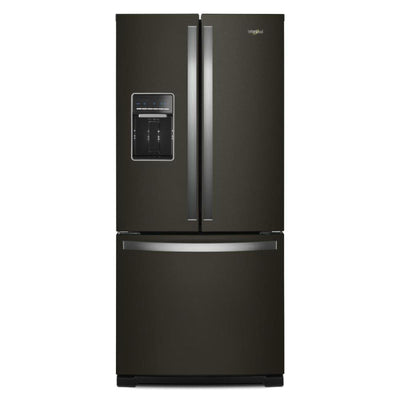
A French door refrigerator is basically a unit where you have two doors on the top that open up to the fresh food compartment, and a freezer drawer down at the bottom. It is a really popular layout because it puts the food you grab most often right at eye level, so you aren't constantly bending over to find the milk or veggies. Plus, the split doors mean you don't need as much room to swing them open, which is great for tighter kitchens. If you are ready to upgrade your kitchen setup, shop our collection at The Brick to find a model that fits your needs.
French Door Refrigerator Formats
French door refrigerators use two side-by-opening doors for the fresh food compartment and a pull-out freezer drawer below. This configuration keeps the most-used section — the refrigerator — at eye level and accessible without bending, while the freezer drawer, opened less frequently, sits at the bottom. The layout is available in three- and four-door configurations. Three-door models have the two fresh food doors and one bottom freezer drawer. Four-door models add a second drawer between the fresh food section and the main freezer — this middle drawer is a separate temperature zone. You can compare current models in our Refrigerators collection or browse matching cooking appliances in our Kitchen Ranges collection.
The Four-Door Middle Drawer
The middle drawer in a four-door French door refrigerator is a convertible temperature zone that can be set independently of both the main refrigerator and the main freezer compartments. Temperature range varies by brand and model. Frigidaire's Custom-Flex Temp Drawer spans from -6°F to 45°F, allowing the drawer to function as either a supplemental freezer or a refrigerator zone for items that benefit from colder temperatures than the main fridge — such as meat, fish, or beverages. Samsung's Flex Zone, LG's Custom Chill Drawer, and GE's equivalent each offer different temperature ranges and preset modes. Before purchase, confirming the exact temperature range and available presets on the specific model is worthwhile if the primary purpose of the drawer is a specific food type or use case.
Standard Depth vs Counter-Depth
Standard-depth French door refrigerators are typically 31 to 36 inches deep (not including handles and hinge hardware) and protrude 6 to 12 inches beyond standard kitchen counters, which have a depth of approximately 24 to 25 inches. Counter-depth models are approximately 24 to 30 inches deep, designed to align with or sit just behind the cabinet face. Counter-depth units compensate for their reduced depth by being wider — typically 36 inches — and taller, which partially offsets the capacity difference. Standard-depth models typically offer 25 to 30 cu. ft. of total capacity; counter-depth models average approximately 18 to 22 cu. ft. for a comparably sized unit.
The capacity tradeoff between standard and counter-depth is the most practical consideration for most households. A counter-depth refrigerator provides a built-in visual appearance and avoids the clearance impact of a protruding appliance, but delivers meaningfully less interior storage. For households replacing a standard-depth unit, comparing the current model's cubic footage against a counter-depth option's capacity is important before committing to the shallower format.
[image:1802]
Width Options and Clearance Requirements
French door refrigerators are most commonly available in 30-inch, 33-inch, and 36-inch widths. The 36-inch width is the most common configuration for counter-depth models. Measuring the available space accurately before purchase requires four dimensions: the cutout width between cabinets, the available depth from the back wall to the cabinet face, the height from floor to any overhead cabinet or soffit, and the doorway width through which the refrigerator must pass during delivery. A fully-open French door requires approximately 14 inches of swing clearance per side — this must be confirmed against the adjacent counter edge or island. Manufacturers recommend a minimum of ½ inch of clearance on each side and at the rear for air circulation.
Water and Ice Dispenser Installation
Models with an exterior water dispenser or in-door ice maker require a cold water supply connection at the back of the refrigerator. The connection requires a cold water line with pressure between 30 and 120 PSI, a ¼-inch outer diameter copper or braided stainless steel supply line, and a dedicated shutoff valve. Self-piercing saddle valves — which clamp onto an existing pipe and pierce it to create the tap — are not recommended by most manufacturers and are prohibited by some local plumbing codes. A proper compression-fitting or push-fit shutoff valve installed by a plumber is the correct connection method. The supply line should be cut approximately 6 feet longer than the distance from the shutoff valve to the back of the refrigerator to allow the refrigerator to be pulled out for cleaning and servicing without disconnecting the water line. If no cold water line is currently present near the refrigerator location, a plumber must install one before delivery.
Shopping for a French Door Refrigerator
The most useful details to confirm before purchasing are the available cutout width, depth, and height; whether standard-depth or counter-depth fits the kitchen layout and household capacity needs; whether a water line is present or needs to be installed for dispenser-equipped models; the temperature range of the middle drawer on four-door models if that feature is a priority; and the door swing clearance on each side. Dimensions and specifications vary meaningfully between models — the product specification sheet for the specific model provides the exact measurements required for planning installation.
FAQ About French Door Refrigerators
What is the difference between a French door and a side-by-side refrigerator?
A French door refrigerator has two side-by-side-opening doors for the fresh food compartment above and a pull-out freezer drawer below. A side-by-side refrigerator divides the full height of the unit vertically — the refrigerator on one side and the freezer on the other — with each accessed through a full-height door. French door models place the refrigerator at a more accessible height and typically offer a wider interior shelf space for platters and wide items, while side-by-side models provide easier standing access to the freezer.
What is counter-depth and how does it differ from standard depth?
Counter-depth refrigerators are 24 to 30 inches deep, designed to align with standard kitchen counters and sit flush or just behind the cabinet face. Standard-depth models are 31 to 36 inches deep and protrude beyond the counter edge. Counter-depth units typically offer 18 to 22 cu. ft. of capacity; standard-depth models of comparable width offer 25 to 30 cu. ft. The reduced depth of counter-depth models provides a more integrated visual appearance but delivers less total storage volume for a given width and height.
What does the middle drawer do in a four-door French door refrigerator?
The middle drawer in a four-door French door refrigerator is a separate temperature zone that can be set independently of both the main refrigerator and freezer compartments. Temperature range varies by brand — Frigidaire's Custom-Flex Temp Drawer spans -6°F to 45°F, allowing it to function as either a supplemental freezer or a dedicated refrigerator zone for specific food types. Other brands offer comparable convertible drawers with different temperature ranges and preset modes. The specific temperature range and presets for each model are listed on the product page.
Does a French door refrigerator with a water dispenser need special installation?
Yes. Models with an exterior water dispenser or ice maker require a cold water supply line connected to the back of the refrigerator. The line must deliver water at 30 to 120 PSI through a ¼-inch OD copper or braided stainless steel tube connected to a dedicated shutoff valve. Self-piercing saddle valves are not recommended and are prohibited in some jurisdictions. If no cold water line is currently present near the refrigerator location, a licensed plumber must install one before the refrigerator can be connected and the dispenser or ice maker activated.
What clearances does a French door refrigerator require?
Manufacturers recommend a minimum of ½ inch of clearance on each side and at the rear for air circulation around the compressor and condenser. Each French door requires approximately 14 inches of swing clearance — this must be confirmed against adjacent counters, islands, or walls before installation. Height clearance must account for door hinge hardware, which typically adds 1 to 2 inches above the stated unit height. All four dimensions — width, depth, height, and doorway passage width for delivery — should be confirmed against the specific model's specification sheet before purchase.